Satsuki Odamura
Satsuki Odamura brings koto and bass koto into contemporary music with playing that is dramatic, lyrical and fiercely adaptable, from Japanese repertoire and folksong colour to free improvisation, jazz and film score.
On her first solo disc she set the instrument beside violin, shakuhachi and percussion, moving from Tadao Sawai’s airborne lyricism through stark koto and bass-koto duets to jagged, hypnotic bass-koto writing and trio improvisations where strings are bowed as well as plucked. Silences matter as much as attack. In jazz ensembles the same touch becomes central rather than decorative: a bass-koto line can open like a period film theme, then lock into African grooves, bop changes and electronics without losing its grain. Reviewers hear classic Japanese virtuosity bent to the music at hand. Duets with Sandy Evans place koto against saxophone in sparse landscape pieces, every tone considered; elsewhere she colours screen scores with koto and shamisen, and leads ensemble programmes of new Australian writing for the instrument. The result is recognisably Japanese and fully at home in contemporary rooms.
Satsuki Odamura is featured on the following titles
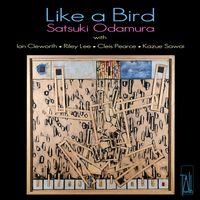
Like a Bird
Odamura's first CD, made after she settled in Australia in 1989 and brought the koto into contemporary performance here. Her playing is dramatic and engaging, joining traditional and modern techniques with equal conviction.
Composer
Satsuki Odamura is featured on the following titles
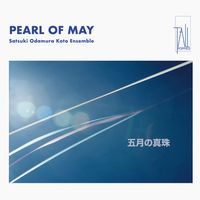
Pearl of May
Satsuki Odamura and her Koto Ensemble return with new Australian works for koto by Sandy Evans and Ian Cleworth, and a solo bass-koto piece by Mark Isaacs. The title marks her thirtieth anniversary in Australia.
Performing as GEST8
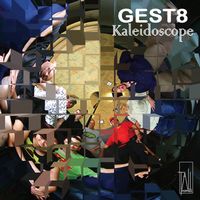
Kaleidoscope
GEST8, the brainchild of Sandy Evans and Tony Gorman, extends their search for new colours in improvisation and jazz. Kaleidoscope is the band’s debut recording.
Composer
Satsuki Odamura also appears on
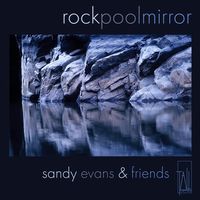
RockPoolMirror
Sandy Evans loved Belinda Webster’s dawn photographs of Shoalhaven Gorge from the early 2000s. A Tasmanian supporter funded the project; Evans wrote music to be heard with the images; and an eclectic circle of friends agreed to play and record it.