Alfred Edward Housman
Alfred Edward Housman's A Shropshire Lad gave English song its most durable pastoral texts: spare, fatalistic lyrics of youth, death and an idealised countryside that composers keep returning to for cycles of art song.
The poems speak in plain ballad measures of lost content, early death and love that cannot be answered, without religious consolation. That mix of rural image and quiet pessimism drew English and later composers into song cycles and individual settings; Butterworth's A Shropshire Lad remains a central path through the verse on disc, while other programmes place Housman beside Vaughan Williams, Finzi and Britten. Peggy Glanville-Hicks's Mimic Heaven takes five of the poems into concise, melancholy song, still in the mainstream of English lyric writing. The words themselves stay short, singable and emotionally direct, which is why they sit so readily in recital programmes built around English art song.
Compositions by Alfred Edward Housman appear on
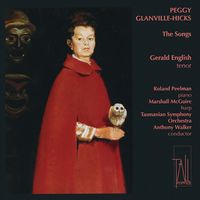
Peggy Glanville-Hicks: The Songs
World premiere recordings of songs by Australian composer Peggy Glanville-Hicks, including the cycle Thirteen Ways of Looking at a Blackbird, sung by tenor Gerald English.