Francis Poulenc
Francis Poulenc's music swings from boulevard wit to peasant devotion. Perpetual-motion piano, chamber sonatas, horn élégies, Christmas and penitential motets, a Gloria, and songs that can flirt, mourn or protest sit side by side in the catalogue.
Early scores made his name for high spirits and irreverence among Les Six; from the mid-1930s a graver voice answered without silencing the charm. He wrote ballets for Diaghilev, a Concert champêtre for harpsichord, and the opera Dialogues des Carmélites. Mélodies shaped with baritone Pierre Bernac as partner range from Apollinaire and Cocteau to wartime Éluard and Aragon. Figure humaine ends in Liberté; the Mass in G major for unaccompanied choir is among his most often heard sacred works. On the piano he could be wry and sophisticated; in song he could protest or console. The two natures Claude Rostand named, half monk and half naughty boy, keep trading places bar by bar.
Compositions by Francis Poulenc appear on
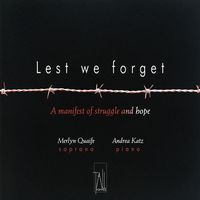
Lest We Forget: A Manifest of Struggle and Hope
Welcome to the world’s first “classical” protest CD. The music ranges widely across Germany, France, England, Austria, Poland, Chile, the USA and Australia, touching world wars, the Holocaust, dictatorships and the stolen generation. It is a no-holds-barred plea for humanity to recover humanitarian values before it is too late.
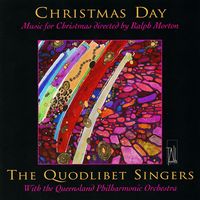
Christmas Day
Ranging from a cappella singing to full orchestral colour, these carols make an ideal gift for music-loving friends. The programme is mostly modern, yet warmly listenable.