John Cage
John Cage’s prepared-piano Sonatas and Interludes turn the instrument into a gamelan of pings, thuds and quiet resonance. His late chamber piece SEVEN is a slow, almost static meditation; Dream floats in mellow sustained colour.
The Sonatas and Interludes (1946–50) form a complete cycle shaped by traditional Indian emotions, fully notated yet different each time because no two prepared pianos sound alike. The music moves between gentle meditation and whimsy, with silences Cage treated as strictly as the notes, and endings that grow ever more inward. Beside the cycle sit Music for Marcel Duchamp and the Joyce setting The Wonderful Widow of Eighteen Springs, where the pianist plays on the body of the instrument. First Construction brings the same experimental ear to percussion. SEVEN barely moves; Dream, heard for viola ensemble, is simply mellow. What draws the ear is colour, patience and the strange sensuality of sounds that refuse ordinary piano rhetoric.
John Cage is featured on the following titles
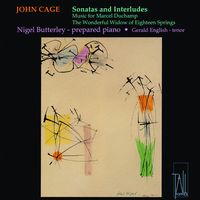
John Cage: Works for Prepared Piano
Nigel Butterley is well known as one of Australia’s finest composers. He was also an accomplished pianist, and by this 1993 release had been performing these Cage works for more than twenty years. Critics have long praised the style and colour he draws from the prepared piano.
Compositions by John Cage also appear on
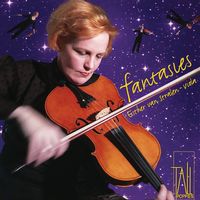
Fantasies
Dutch-born Esther van Stralen, principal violist of the Sydney Symphony Orchestra, shapes this recital from her own wide-ranging tastes: earlier works on baroque viola sit beside a broad sweep of twentieth-century solo writing.
Synergy With Samuels
This CD grew from a concert collaboration between Australia’s best-known percussion quartet and America’s finest vibraphonist, Dave Samuels. Together they cook up a storm.