Astor Piazzolla
Astor Piazzolla turned the tango into something sharper, more restless and chamber-like. His nuevo tango draws jazz harmony and classical counterpoint into the dance without blunting its edge.
His scores move from bordello swagger and café languor to nightclub heat and concert-hall grit. Circulating bass lines and extended harmony sit under lines that can sear or sigh. Improvisation belongs, yet the vocabulary stays inside the tango’s rhythmic world. Histoire du Tango charts a century of the form in four scenes; the Tango Études, Oblivion, Libertango and Adiós Nonino travel from bandoneón ensembles to flute and harp, saxophone and piano, cello and guitar, because the writing rests on melodic force and structural clarity as much as on the dance floor. Tender or driving, the music keeps a porteño pulse: urgent, elegant and a little dangerous.
Compositions by Astor Piazzolla appear on
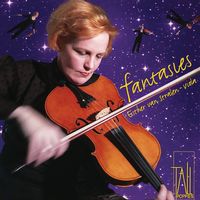
Fantasies
Dutch-born Esther van Stralen, principal violist of the Sydney Symphony Orchestra, shapes this recital from her own wide-ranging tastes: earlier works on baroque viola sit beside a broad sweep of twentieth-century solo writing.
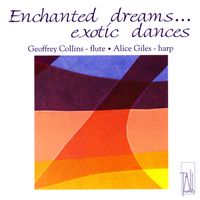
Enchanted Dreams... Exotic Dances
Geoffrey Collins and Alice Giles have played together since their school days. Their partnership works at an international level, and this carefully chosen programme shows their complete accord while avoiding the clichés often tied to flute and harp.